Africa Day is often a time of celebration. A time to reflect on our resilience, our progress, our communities, and the strength that defines us as a people.
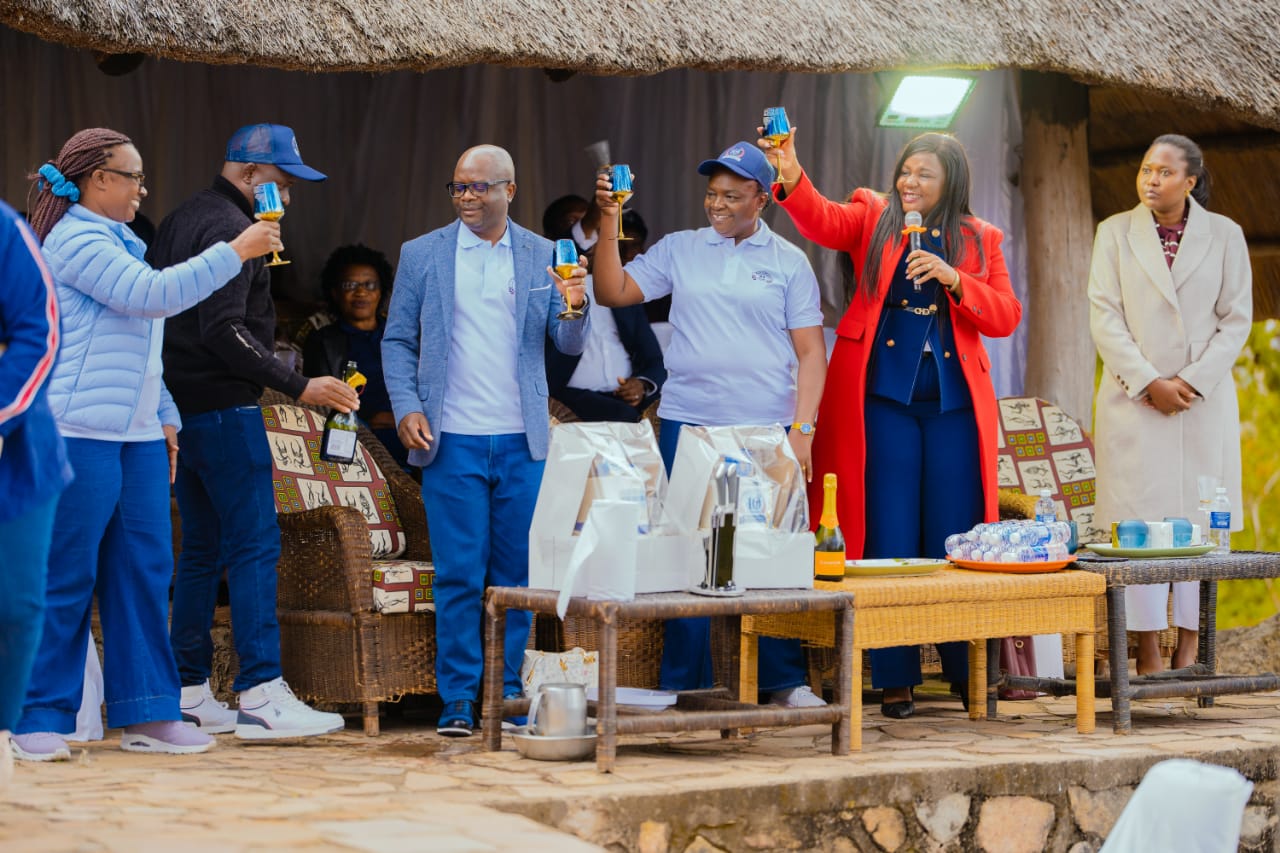
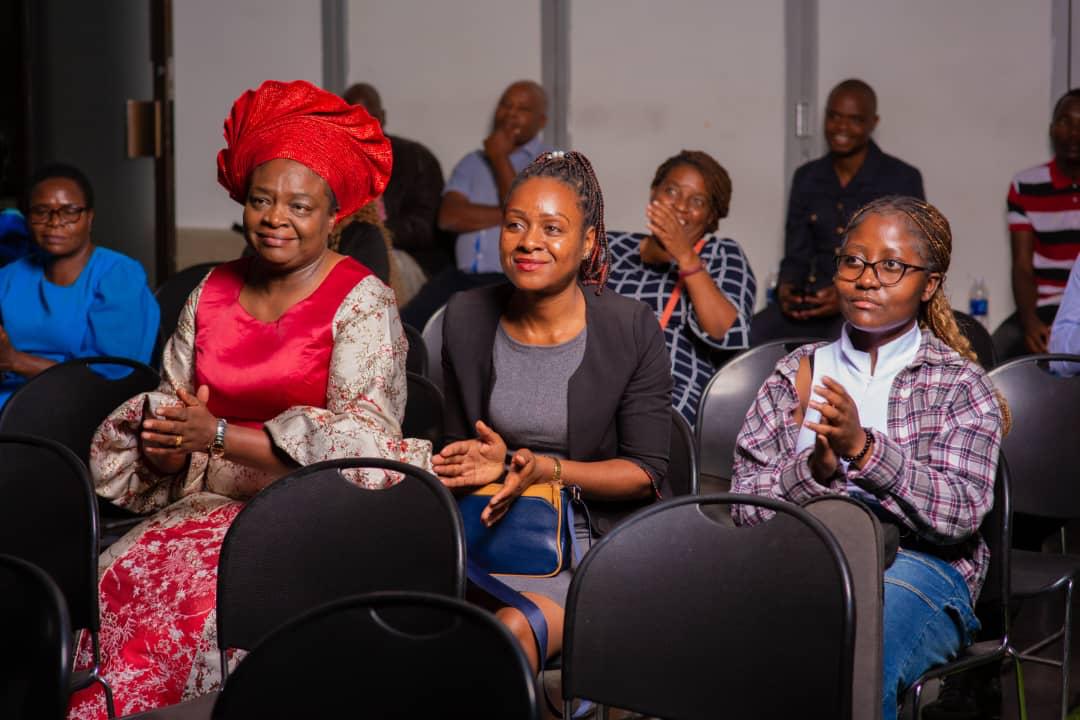
This year, I had the privilege of being invited as Guest of Honour at an Africa Day event held at Batanai Gardens in Harare on 25 May. Fittingly themed Africa Day, the gathering brought together people from different walks of life to celebrate our shared heritage while engaging in conversations that matter deeply to our communities.
The occasion also marked the launch of Smiling Outside, Breaking Inside: The Hidden Pain of Strong People by Pastor Moses Munamato Kundhlande.
As I stood before the audience, I found myself reflecting on something many of us experience but rarely speak about openly: the silent burden carried by those perceived to be strong.
In our families, workplaces, churches, businesses, and communities, we often celebrate strength. We admire the people who keep going no matter the circumstances. The ones who always show up. The ones who encourage others, solve problems, carry responsibility, and remain calm under pressure.
But what happens when the strong person becomes tired?
What happens when the person everyone depends on is struggling themselves?
Too often, we assume that strength means invincibility. We assume that leaders, parents, pastors, business owners, caregivers, and community builders somehow possess an endless reserve of emotional energy. Yet the reality is very different.
Strength does not mean the absence of pain.
Strength does not mean immunity from emotional exhaustion.
Strength does not mean a person never reaches a breaking point.
One of the most important lessons I have learned throughout my own journey is that people are often fighting battles we know nothing about. Behind many smiles are untold stories. Behind many achievements are private struggles. Behind many successful individuals are moments of doubt, loneliness, grief, and emotional fatigue.
What struck me most during the event was how relevant this conversation is, particularly within our faith communities.
The church has always been a place of hope, healing, and spiritual guidance. Yet mental and emotional well-being is an area where many people still suffer in silence. Some fear being judged. Others fear being seen as weak or lacking faith. As a result, many become experts at appearing okay while quietly falling apart inside.
Yet when we look at Scripture, we see that even some of the greatest figures experienced emotional struggles.
Elijah faced exhaustion and despair.
David openly expressed grief, fear, and sorrow.
Job endured overwhelming suffering.
Even Jesus experienced deep anguish in the Garden of Gethsemane.
The Bible does not hide human vulnerability. It acknowledges it and reminds us that God walks with us through it.
That is why conversations like these matter.
We need churches where people can be honest about their struggles.
We need communities where asking for help is seen as courage, not weakness.
We need leaders who understand that emotional well-being and faith can coexist.
And we need to remember that caring for people means looking beyond what is visible.
One of the messages I shared on the day was simple: the church should not only ask, “How is your faith?” It should also ask, “How is your heart?”
The same applies to all of us.
As leaders, colleagues, friends, spouses, and community members, we must learn to check in on one another more intentionally. Sometimes a conversation, a listening ear, or a simple act of kindness can make a greater difference than we realise.
I commend Pastor Moses Munamato Kundhlande for having the courage to shine a light on a topic that many avoid. His book gives voice to those who have suffered quietly and reminds us that healing often begins when we create space for honest conversations.
I would encourage anyone who has ever felt the weight of responsibility, anyone supporting a loved one through difficult times, or anyone serving within a church or community leadership role to read this book. Its message is timely, relevant and deeply needed. By purchasing and sharing it, you are not only supporting an important work, but also helping to advance a conversation that could bring hope, understanding and healing to countless lives.
As we continue celebrating Africa’s strength and resilience, let us also remember that true strength includes compassion, vulnerability, and the willingness to support one another through life’s unseen battles.
Because behind many smiles may be stories we know nothing about.
And sometimes the strongest people need support too.