Peace Muregi Pundu approaches social impact as institutional work, not episodic intervention.
Each initiative is designed to operate as a living system one that continues to create access, dignity, and opportunity long after its inception.
Education forms the foundation of Peace’s long-term impact work. Her focus is not only on access to schooling, but on the quality, stability, and emotional safety of the learning environment itself.
In legal and financial environments, Peace’s work centres on ensuring that protection mechanisms are accessible to ordinary families. Her initiatives focus on affordable legal insurance, estate literacy, and practical access to justice.
Thousands of individuals and households have been protected through structured legal coverage systems, alongside national awareness programmes focused on estate planning and rights education.
This work is supported through community legal education campaigns, estate protection initiatives, and pro-bono advocacy partnerships that strengthen public understanding of legal and financial security.
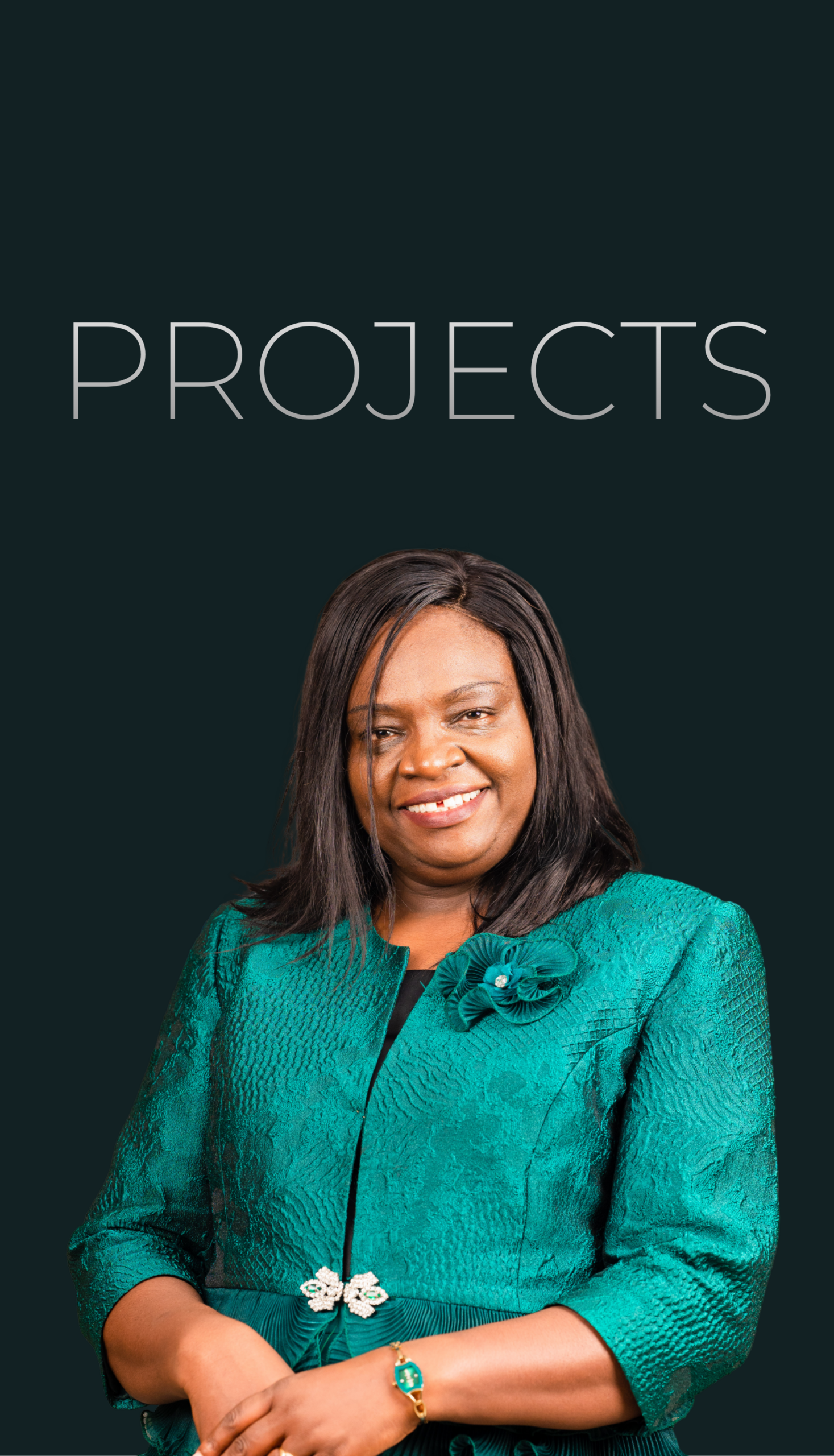
Peace’s community empowerment work places particular emphasis on women’s leadership, financial literacy, and sustainable livelihoods. These initiatives recognise the multiplier effect of empowering women within households and communities.
Programmes have included leadership sponsorships, domestic worker financial literacy drives, and community mentorship circles. Strategic initiatives such as women’s leadership forums, entrepreneurship coaching sessions, and corporate mentorship engagements support both personal growth and economic participation.
Operating across Southern Africa and the United Arab Emirates, Peace supports initiatives that enable responsible cross-border enterprise and employment creation. This includes hospitality investments, regional legal access expansion, and financial inclusion integration.
Through diaspora investment networks and executive exchange programmes, her work contributes to market entry support, skills transfer, and regional economic participation.
Recognising the gap between academic achievement and workforce readiness, Peace has supported future-skills development initiatives focused on coding, robotics, communication, and leadership exposure.
School innovation clubs and learner leadership tracks are designed to prepare young people for evolving economic environments and emerging career pathways.
Targeted scholarship and support initiatives provide education access for high-potential learners from vulnerable backgrounds. These include merit-based and needs-based sponsorships, as well as resource and uniform support systems that remove practical barriers to learning.
Peace contributes to public sector engagement through advisory roles and empowerment initiatives focused on youth development, education access, and financial literacy. Her involvement supports ethical leadership representation and constructive dialogue across public institutions.
At the core of Peace’s work is the belief that sustainability is built through ethical governance, stable employment systems, and community continuity.
Social impact, in this context, is not measured by visibility but by endurance.